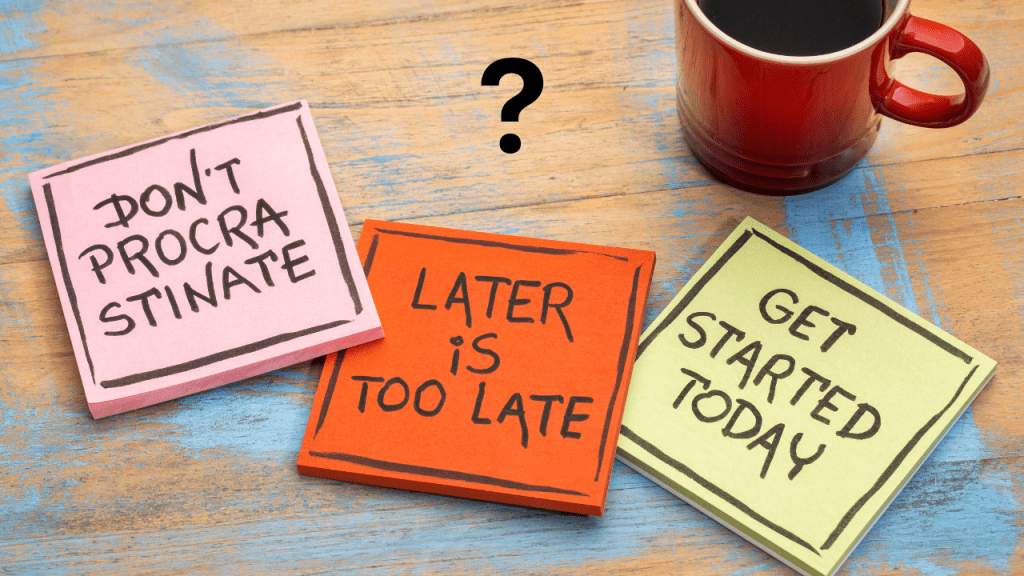
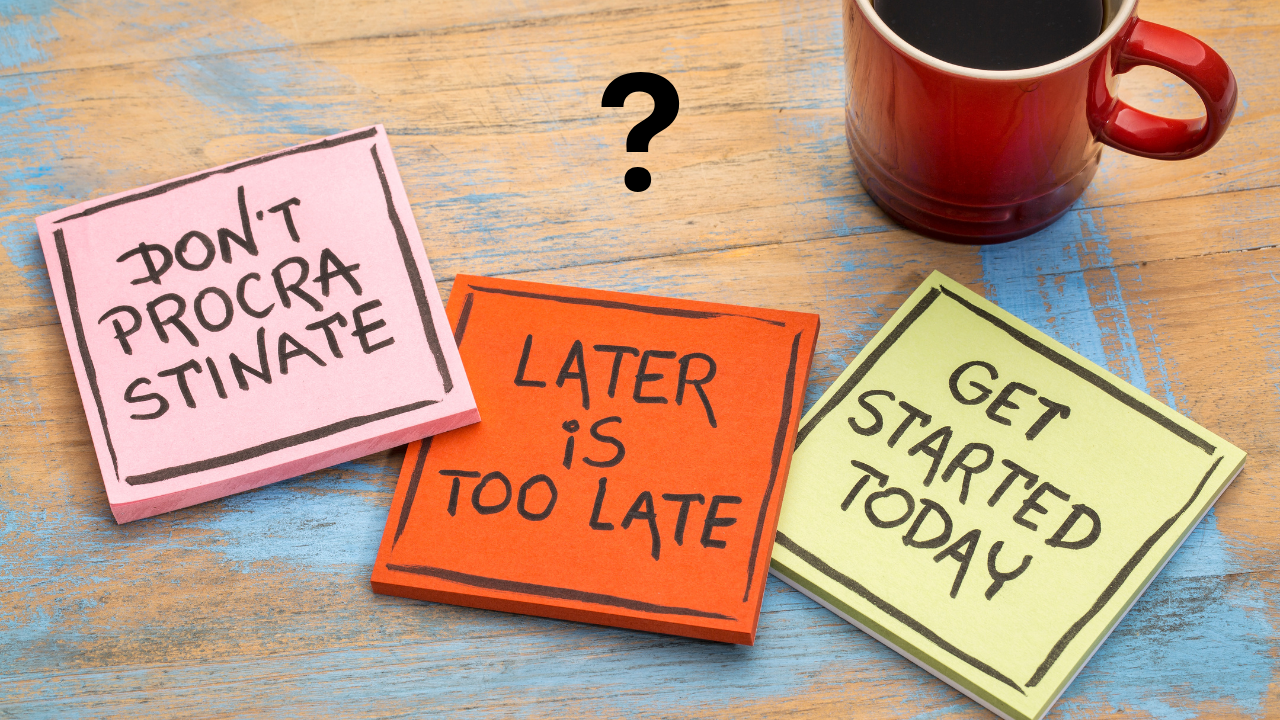
We’ve all been there—Hey I go there all the time!! Delaying an important task despite knowing we’ll regret it later. Procrastination isn’t just a bad habit; it’s a deeply ingrained response rooted in our psychology and brain chemistry. Understanding why we procrastinate can help us break the cycle and work more effectively, without guilt or last-minute panic.
The Brain’s Survival Mechanism
Procrastination is often the result of a battle between two key areas of the brain: the limbic system, which drives emotions and seeks immediate pleasure, and the prefrontal cortex, which is responsible for planning and self-control. When we delay tasks, it’s often because our limbic system is prioritising short-term comfort over long-term success. Evolutionarily, this made sense—avoiding discomfort could mean survival. But in modern life, it leads to missed deadlines and unnecessary stress. But today? What does that look like – to me its a lot like Netflix over blog posts (pats herself on the back!)
The Role of Dopamine and Instant Gratification
Dopamine, the brain’s reward chemical, plays a significant role in procrastination. Our brains crave quick rewards, making distractions like social media, entertainment, or even unnecessary tasks feel more appealing than challenging work. The instant dopamine boost from these activities reinforces avoidance, making it even harder to focus on what truly matters. Additionally, if a task is associated with stress, fear of failure, or high expectations, our brain perceives it as a threat, leading us to avoid it altogether.
Different Types of Procrastinators
Not all procrastination is the same. According to psychologist Linda Sapadin, there are six main types of procrastinators:
- The Perfectionist – Delays tasks due to fear of not meeting high standards.
- The Dreamer – Enjoys ideas but struggles with execution.
- The Defier – Resists tasks they feel imposed upon them.
- The Worrier – Hesitates due to fear of failure or uncertainty.
- The Crisis-Maker – Thrives on last-minute pressure.
- The Overdoer – Takes on too much, leaving little time for priorities.
Recognizing which type of procrastinator you are can help in developing personalized strategies to overcome delays and improve productivity.
Breaking the Cycle
Understanding procrastination isn’t just about knowing why we do it—it’s about finding ways to stop. Some effective strategies include:
- Breaking tasks into smaller steps – This makes them feel more manageable and less overwhelming.
- Setting clear deadlines – Creating a sense of urgency can counteract avoidance.
- Using rewards and accountability – Small incentives and external expectations can boost motivation.
- Reframing the task – Shifting perspective from obligation to opportunity can make work feel more meaningful.
- Practicing self-compassion – Beating yourself up over procrastination can make it worse; instead, acknowledge it and move forward.
Conclusion
Procrastination isn’t a sign of laziness—it’s a natural response driven by our brain’s wiring. By understanding the psychological and neurological factors behind it, we can develop better strategies to take control of our time and productivity. The key is to work with our brain, not against it, and create habits that encourage progress rather than avoidance. With the right approach, we can break the cycle and turn procrastination into productivity.
If this is something that is effecting your life. Especially if you do something you love and helps others then why not get in touch. A short 121 or some coaching could help you find not only the solutions but some of your own underlying reasons why.
 Lara Norris
Leave a comment